An Inherited Vantage on a Region
Dr. Efrat Sopher’s reading of Iran and Israel is shaped by a family that helped lead early relations between the two states and by a scholarly life devoted to the same question. Her doctoral thesis at the London School of Economics, “The Foreign Policy of Israel Towards Iran 1948-1979: Beyond the Realist Account,” drew on thousands of previously unseen government and private documents. Her current work as an advisor to the House of Lords, Chair of the Ezri Center's Board of advisors, and contributor across international broadcast and press draws directly on that inheritance.
Where Does My Perspective on the Middle East Come From?
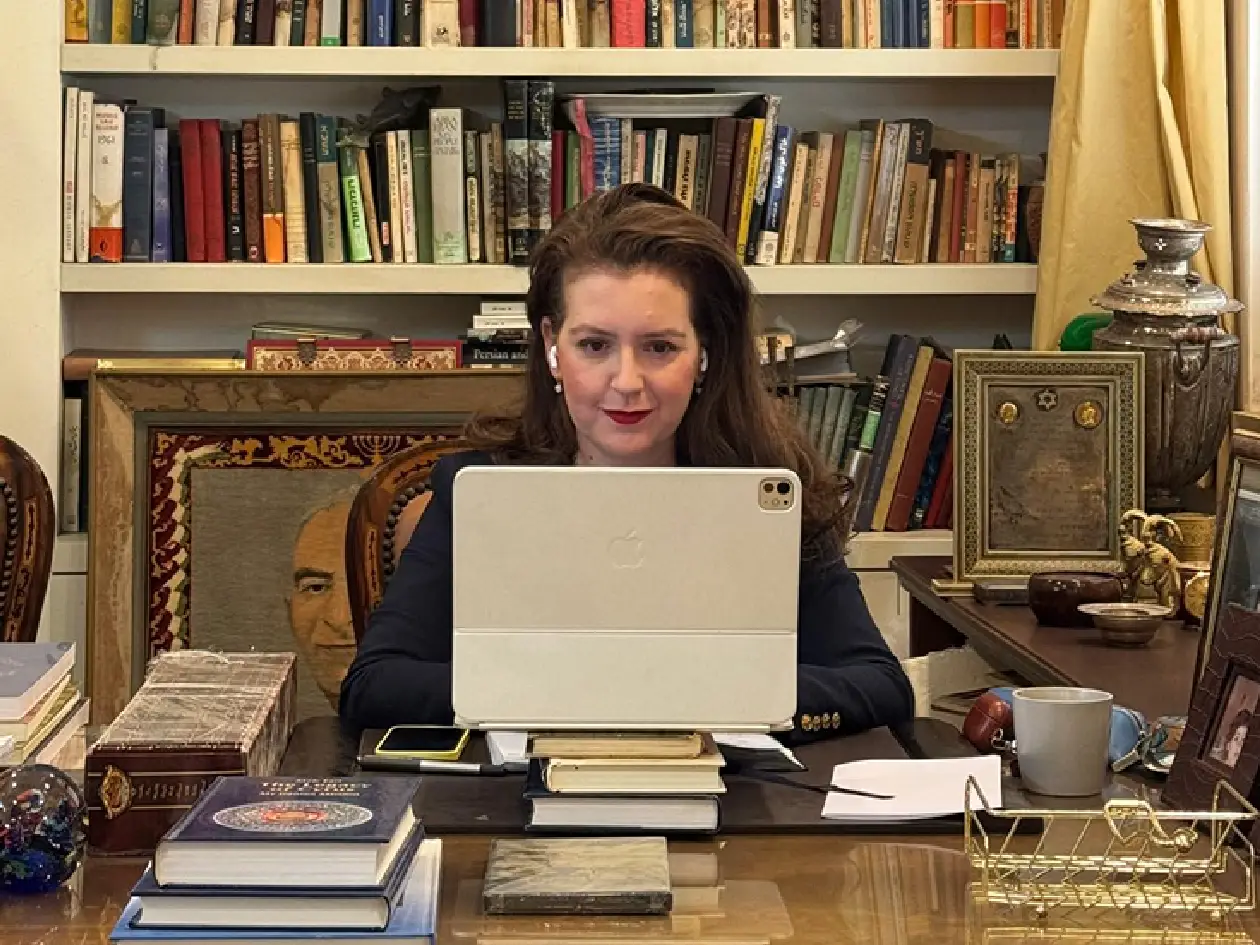
I inherited it before I learned it. I grew up in a household where the diplomatic history of Israel and Iran was not a subject to be studied but a subject to be discussed at dinner. My grandfather, Meir Ezri, helped lead early relations between the two states as Israel’s ambassador in Tehran under the Shah, and the policy stories that filled my childhood, the unlikely meetings, the back channels, the specific human details of how diplomacy truthfully moved, were simply the texture of family life. Shimon Peres and my grandfather were part of the same generation of Israelis who built the country’s foreign policy on the ground rather than from a desk, and the two knew each other across decades of that work. The conversations I overheard as a child were the record of a friendship as much as a policy history. Long before I became a scholar of the region, I had already heard, at first hand, how its history was made, and who made it. That formation matters because it shapes what I see today on the ground.
Where many analysts approach Iran, Israel, and the wider Middle East as a subject to be researched, I approach it as a relationship I have known my whole life, with a deep admiration for its people, its culture and its possibilities. It is why, in 2023, when Crown Prince Reza Pahlavi came to the University of Haifa to unveil his vision for a democratic Iran, it fell to me to host him: the room I was standing in was, in a real sense, a room my grandfather had helped make possible half a century earlier. The result is a reading of the region informed by rare sources, by inherited memory, and by an enduring affection for what the region has been and what it can be again.
What Did I Study, and Where?
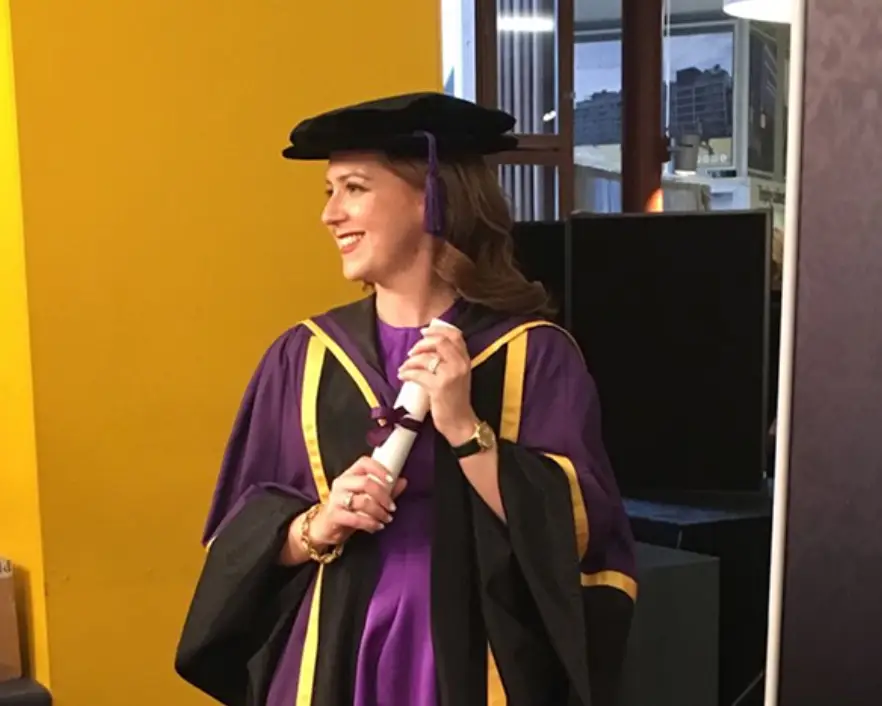
My doctoral research at the London School of Economics, completed in 2018, examined the relationship between Israel and Iran from 1948 to 1979 using thousands of previously unseen primary sources, including sealed archival material and first-person interviews that documents the early years of contact between the two states. The thesis, “The Foreign Policy of Israel Towards Iran 1948-1979: Beyond the Realist Account,” looked beyond the standard Realist explanations of state behaviour to consider the strategic interests, perceptions and human relationships that actually drove decisions on intelligence and military cooperation, trade, development and energy. The work continues to inform my analysis of Iran’s domestic politics and foreign policy today, its regional influence, and the shifting architecture of Middle East diplomacy.
I came to the doctorate after earlier degrees in international relations, an MSc from the LSE and a BA from the University of Southern California. It also came after qualifying as a solicitor in London with several years’ practice in commercial law at Forsters LLP. The legal training matters more than it might appear as it has shaped how I read evidence and assess what counts as proof. Moreover, it is how I approach my work with clients and institutions, as I think about operating within structured environments.
Beyond the doctorate, my academic life has stayed close to the same question. I chair the Board of Advisors of the Ezri Center for Iran and Gulf States Research, where I help shape the research, policy agendas, and the next generation of scholars working on the region.
Who Do I Work with Today?
My work moves between three audiences. I advise parliamentarians, most regularly in the House of Lords, where I have served as Expert Advisor to the Select Committee on International Relations and remain a standing advisor to peers whenever needed, convening round tables on the Iranian threat to British security and leading a task force on Islamist extremism and Iran through the World Jewish Congress. I advise governments and institutions across Europe, the Middle East and North America, briefing security teams, foreign ministries and policy advisors on what my reading of Middle East geopolitics, namely Iranian and Gulf security politics, means for theirs. I also represent the World Jewish Congress in a range of forums, which have included the United Nations, parliamentary bodies, and the National Prayer Breakfast in Washington. Furthermore, I spend time writing for a wider public, in my own newsletter and in the press, and for readers who want a serious analysis of the region.
The thread between these audiences is consistent. Whether I am briefing a security committee in private or writing for a general reader, I work to explain a region whose internal logic and nuance are too often missed, and to do so in language that respects the reader’s intelligence.